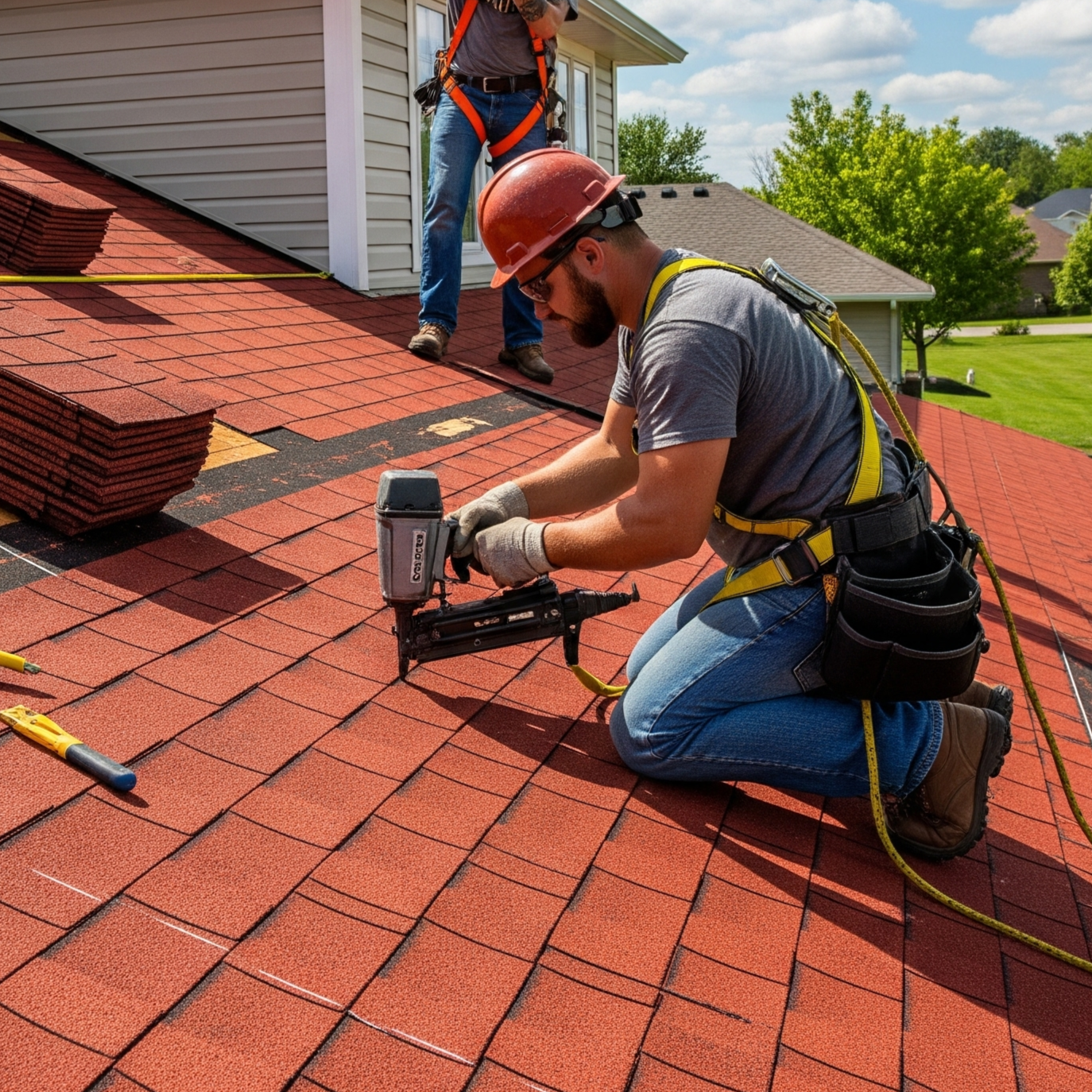
Chicago is a city of architectural beauty, but it’s also a city of weather extremes. From heavy snowstorms and lake-effect winds in the winter to scorching heatwaves, hail, and downpours in the summer, buildings in the Windy City take a beating year-round—especially their roofs. As extreme weather events become more frequent and intense due to climate change, property owners must prioritize roof resilience.
Designing and retrofitting roofs for durability isn’t just good practice; it’s becoming essential.
Roof damage in Chicago often stems from the city's unique combination of high winds, fluctuating temperatures, ice buildup, and UV exposure. Without proper materials, construction, and maintenance, roofs are prone to cracking, leaking, and premature failure. For both homeowners and commercial property managers, taking proactive steps can save thousands in repair costs and prevent significant structural damage down the line.
One of the most effective ways to strengthen a roof against extreme weather is by choosing the right materials. Architectural asphalt shingles with high wind ratings, metal roofing for its snow-shedding ability and impact resistance, and modern membrane systems like EPDM or TPO for flat roofs are all solid choices. For properties that can support it, clay or concrete tiles also offer long-lasting performance across seasons.
Ventilation and insulation are equally important. Poor airflow and insufficient attic insulation can cause ice dams in winter, while trapped heat during summer can warp roofing materials and spike energy bills. A resilient roofing system includes properly installed ridge and soffit vents, adequate insulation with a high R-value, and—when needed—radiant barriers to reduce heat absorption.
Older homes and buildings, which are common in many Chicago neighborhoods, may need additional retrofitting to bring their roofs up to modern standards. This can include reinforcing roof decking with stronger sheathing, installing hurricane-rated fasteners, upgrading underlayment to waterproof or self-sealing materials, and replacing outdated flashing. These upgrades not only make a roof more storm-resistant but also extend its usable life.
Drainage also plays a critical role in roof resilience. Chicago’s sudden downpours and snow melts can overwhelm weak or clogged systems. Property owners should ensure they have oversized gutters, clear downspouts, and, in winter, heated cables to prevent ice dam formation. Leaf guards can also help reduce buildup and improve overall flow.
Even the most well-designed roof won’t stay resilient without regular maintenance. Semi-annual inspections, especially after major storms, can help identify minor issues before they turn into costly repairs. Checking for loose shingles, damaged flashing, clogged gutters, or signs of water intrusion should be part of every property owner's seasonal checklist.
As climate patterns continue to shift, resilience is becoming a key part of smart building practices. In a dense urban environment like Chicago, where roofs are often flat or shared between units, taking the time to design or retrofit a weather-resistant roof is more than just good planning—it’s a long-term investment in safety, value, and peace of mind.
Whether you’re replacing an aging roof, building new construction, or simply looking to upgrade critical elements, focusing on roof resilience ensures your property can withstand Chicago’s toughest weather events—without compromising function or aesthetics.
Roof damage in Chicago often stems from the city's unique combination of high winds, fluctuating temperatures, ice buildup, and UV exposure. Without proper materials, construction, and maintenance, roofs are prone to cracking, leaking, and premature failure. For both homeowners and commercial property managers, taking proactive steps can save thousands in repair costs and prevent significant structural damage down the line.
One of the most effective ways to strengthen a roof against extreme weather is by choosing the right materials. Architectural asphalt shingles with high wind ratings, metal roofing for its snow-shedding ability and impact resistance, and modern membrane systems like EPDM or TPO for flat roofs are all solid choices. For properties that can support it, clay or concrete tiles also offer long-lasting performance across seasons.
Ventilation and insulation are equally important. Poor airflow and insufficient attic insulation can cause ice dams in winter, while trapped heat during summer can warp roofing materials and spike energy bills. A resilient roofing system includes properly installed ridge and soffit vents, adequate insulation with a high R-value, and—when needed—radiant barriers to reduce heat absorption.
Older homes and buildings, which are common in many Chicago neighborhoods, may need additional retrofitting to bring their roofs up to modern standards. This can include reinforcing roof decking with stronger sheathing, installing hurricane-rated fasteners, upgrading underlayment to waterproof or self-sealing materials, and replacing outdated flashing. These upgrades not only make a roof more storm-resistant but also extend its usable life.
Drainage also plays a critical role in roof resilience. Chicago’s sudden downpours and snow melts can overwhelm weak or clogged systems. Property owners should ensure they have oversized gutters, clear downspouts, and, in winter, heated cables to prevent ice dam formation. Leaf guards can also help reduce buildup and improve overall flow.
Even the most well-designed roof won’t stay resilient without regular maintenance. Semi-annual inspections, especially after major storms, can help identify minor issues before they turn into costly repairs. Checking for loose shingles, damaged flashing, clogged gutters, or signs of water intrusion should be part of every property owner's seasonal checklist.
As climate patterns continue to shift, resilience is becoming a key part of smart building practices. In a dense urban environment like Chicago, where roofs are often flat or shared between units, taking the time to design or retrofit a weather-resistant roof is more than just good planning—it’s a long-term investment in safety, value, and peace of mind.
Whether you’re replacing an aging roof, building new construction, or simply looking to upgrade critical elements, focusing on roof resilience ensures your property can withstand Chicago’s toughest weather events—without compromising function or aesthetics.